How Three Indian Champions Turned Grit Into Gold At The Commonwealth Games
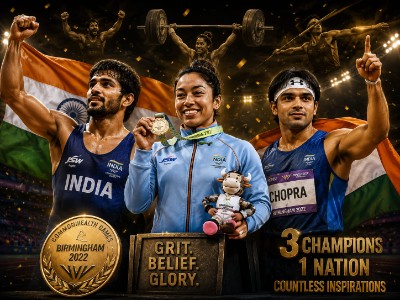
There's a particular kind of pride that comes with watching your national flag rise while the anthem plays in a stadium thousands of kilometres away. Indians have felt that pride three times over already at the ongoing Commonwealth Games 2026 in Glasgow, Scotland, and each gold medal tells its own remarkable story of years of struggle finally paying off.
Mirabai Chanu writes history, again
Let's start with the name every Indian sports fan already knows: Saikhom Mirabai Chanu. The weightlifter from Manipur became the first Indian to win three consecutive Commonwealth Games gold medals, having already triumphed at Gold Coast in 2018 and Birmingham in 2022. In Glasgow, competing in the women's 48kg category, she once again proved exactly why she's considered India's greatest weightlifter, lifting her way to the top of the podium and delivering the country's first gold of these Games.
Why does this matter so much? Because Mirabai's journey has never been a straight, easy climb. She's an Olympic silver medallist from Tokyo who has battled injuries, weight category changes, and the brutal physical demands of professional weightlifting for over a decade, yet she keeps returning to the platform and keeps winning. Just last year, she claimed gold at the Commonwealth Weightlifting Championships in Ahmedabad with a Games record lift, a performance that directly secured her spot in Glasgow. Her hat-trick isn't luck, it's the result of relentless training, a coach she's trusted for years in Vijay Sharma, and a mental toughness that has made her a genuine role model for young athletes across the country.
Sharmila Dhankar breaks new ground for para athletics
The second gold medal carries a different kind of significance altogether. Sharmila Dhankar scripted history by winning India's first-ever Commonwealth Games gold medal in Para Athletics. Think about what that actually means, in the entire history of India's participation at this quadrennial event, no para athlete had ever climbed to the very top of the podium until now. That's not a small achievement, it's a landmark moment for a discipline that has historically received far less attention, funding, and visibility compared to able-bodied sports in India.
Para athletics has been steadily growing in India over recent years, with more structured coaching, better classification systems, and increased government support through schemes aimed at para-athletes. Sharmila's gold is proof that this investment is finally translating into results on the world stage, and it's likely to inspire a new generation of para athletes who may have previously felt overlooked.
Dilip Gavit's Games Record sprint
The third gold came from an equally compelling story. Dilip Mahadu Gavit produced a Games Record performance to win gold in the Men's 100m T47 category, clocking an impressive 10.71 seconds. What made this moment even sweeter for India was that his teammate Mohammed Basil M won silver in the very same event, giving India a memorable one-two finish. Watching two Indian athletes stand together on the podium in the same race is a rare and special sight, and it reflects the depth now building within India's para-athletics programme, not just isolated individual brilliance.
Why is India performing well at these Games?
Zoom out a little, and India's overall campaign in Glasgow tells an encouraging story. As of the latest count, India has secured 17 medals overall, including three gold, ten silver, and four bronze, with strong contributions coming from weightlifting, athletics, para athletics, and boxing. Weightlifter Rishikanta Singh set a new Games record in the snatch category to win silver, while long-distance runner Gulveer Singh became only the third Indian man in history, after the legendary Milkha Singh and more recently Avinash Sable, to win an individual Commonwealth Games medal in a men's track event.
This kind of consistent, cross-discipline success doesn't happen by chance. It reflects years of investment in structured training programmes, better sports science support, and increased visibility for disciplines beyond the traditional favourites like shooting and badminton, especially now that para sports are being taken far more seriously within India's sporting ecosystem.
What this means going forward
These wins matter beyond the medal tally itself. Every gold medal, especially historic firsts like Sharmila Dhankar's, sends a powerful message to young athletes across small towns and villages in India: your background, your physical ability, or the sport you choose doesn't determine whether the world will eventually see you stand at the top of a podium. With the Games continuing through August 2 and more Indian athletes, including javelin legend Neeraj Chopra, still competing for glory, this Glasgow campaign is shaping up to be one that Indian sports fans will remember fondly for years, not just for the medals won, but for the barriers it quietly broke along the way.


Share Your Comments
Related Posts
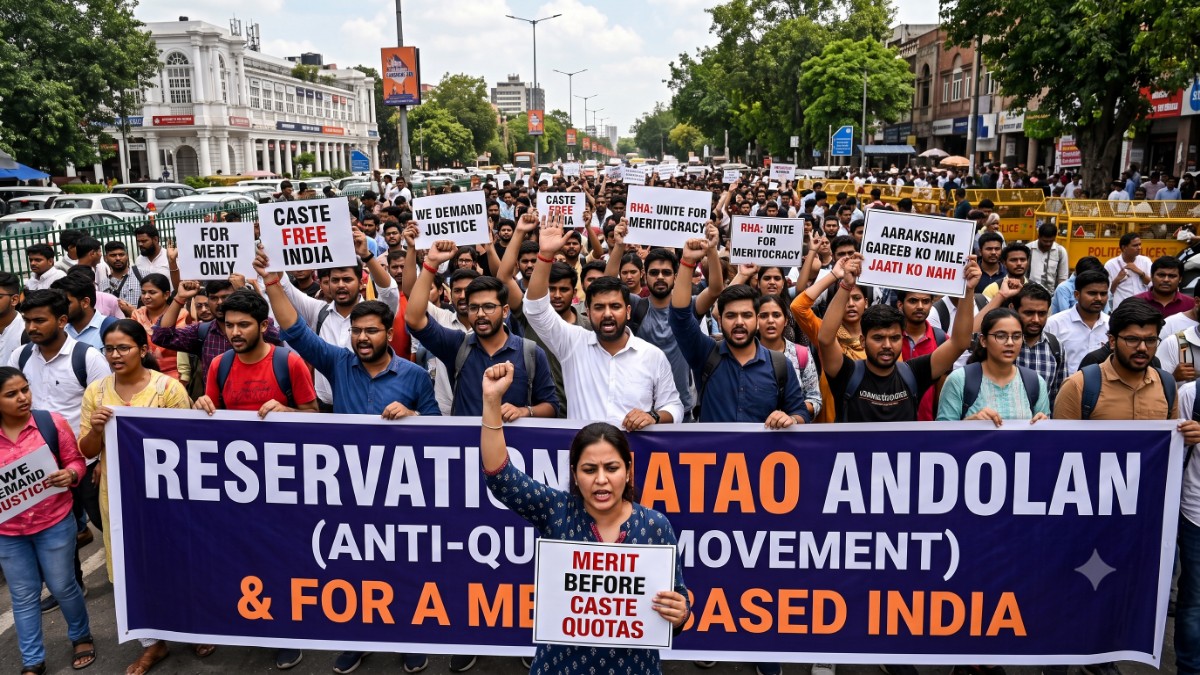
Reservation Hatao Andolan: Why India's Anti-Quota Movement Is Exploding
What started as an online campaign quickly evolved into physical demonstrations in Nagpur, Lucknow, Jaipur..
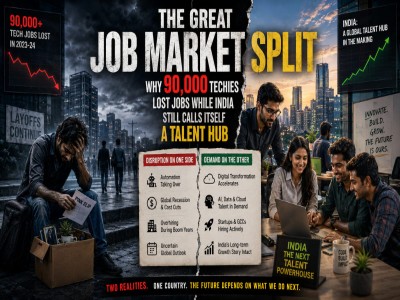
The Great Job Market Split- 90,000 Tech Jobs Lost: Is India Still a Talent Hub?
Why India saw 90,000 tech layoffs and record employability at the same time, and what it means for your career.
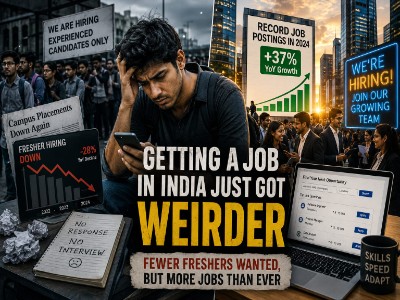
Getting A Job In India Just Got Weirder- Fewer Freshers Wanted, But More Jobs Than Ever
Why India's job market is growing overall even as entry-level opportunities shrink, and what skills-first hiring means for freshers.