The Waterway That Holds The World Hostage Might Finally Reopen
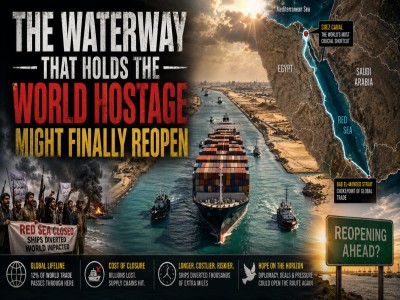
Roughly a fifth of the world's oil passes through a narrow, 33-kilometre-wide channel between Iran and Oman called the Strait of Hormuz. For months, that channel has been a warzone by proxy, disrupted, blockaded, and fought over, sending shockwaves through global energy markets. Now, after a brutal year of escalation, there's finally a genuine diplomatic breakthrough on the table, and it's worth understanding exactly what's being negotiated and why it matters so much.
How the crisis began
This entire standoff traces back to the US and Israel's war on Iran, which began in earnest earlier this year. When the conflict escalated, Tehran responded to strikes by effectively closing the Strait of Hormuz, throwing one of the world's busiest shipping routes into chaos and sending global energy prices spiking overnight. Iran later partially reopened the waterway, but only along a northern route hugging its own territorial waters near Larak Island, while Washington countered with a naval blockade on Iranian ports to squeeze Tehran economically, even as Iran kept exporting oil through the strait regardless.
A fragile ceasefire in April briefly calmed things, with the US proposing ships instead use a southern route along Oman's coastline. Iran rejected that plan outright. Since then, the fighting has flared and cooled repeatedly, and as recently as this month, a cargo ship was struck by an unidentified projectile off Oman's coast, a stark reminder of just how fragile any calm in this region has been.
What's actually being negotiated now
The current round of talks centres on Oman playing peacemaker between Washington and Tehran, and there's genuine, tangible progress to report. Iran says it has reached an agreement with Oman on coordinates for new shipping routes through the strait, with officials describing negotiations as "forward-moving." Under the emerging framework, commercial vessels would enter the Persian Gulf through an Iranian-controlled route and exit through a route controlled by Oman, with both sides describing this as an interim arrangement.
Crucially, a US official involved in the talks insisted any temporary routes would come "without any impediments, meaning no approvals or permissions and no tolls or charges," directly addressing one of the thorniest disputes in this entire saga: whether Iran should be allowed to impose fees on ships passing through, something Tehran's own parliamentary committee had earlier voted to pursue, alongside a proposed ban on US and Israeli vessels altogether. Washington has firmly resisted conceding Iran any special control over the waterway, with President Trump reportedly balking at any deal granting Tehran greater authority over the strait, even as he's occasionally floated the idea of the US itself collecting transit fees, a plan that hasn't materialised.
Why this remains so fragile
Even with a joint statement reportedly in its final drafting stage, an Iranian Foreign Ministry spokesperson cautioned that a deal would only be struck "if certain third parties do not obstruct this process," a pointed signal that not everyone with a stake in this outcome wants to see it succeed. President Trump has separately warned Oman against getting in the way of a full reopening, adding pressure to negotiations that were already delicate. Meanwhile, the broader 60-day window set aside for a comprehensive US-Iran peace deal has been quietly expiring without any announced extension, and both sides reportedly remain almost as far apart on the bigger picture, including Iran's nuclear programme, as they were when talks began.
Why this matters well beyond the Gulf
For any country that imports oil, and India imports the overwhelming majority of its crude, developments in the Strait of Hormuz are never just a regional story. Continued disruption here has already driven volatility in global energy markets and stoked fears of broader inflation worldwide. A successful, durable reopening would ease pressure on oil supply chains and potentially calm the kind of price spikes that ripple straight into fuel costs, transport prices, and inflation figures in countries thousands of kilometres from the Gulf. But given how many times this waterway has swung between crisis and calm over the past year alone, live-fire drills, blockades, brief ceasefires, renewed strikes, the honest takeaway is that this latest agreement, however encouraging, remains one broken promise away from unraveling all over again.

_1200x675.jpeg)


Share Your Comments
Related Posts
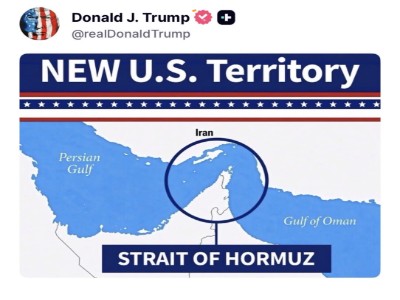
New U.S. Territory - Trump's Wildest Map Yet Just Rattled Global Oil Markets
Trump's bizarre claim over the Strait of Hormuz as "New U.S. Territory" has deepened tensions with Oman and...

Same Country, Two Protests, Two Very Different Global Spotlights
Why global media covered Delhi's CJP protests extensively but has stayed largely silent on Jharkhand's JPSC exam scam protests.
Chaos At The Border- Inside Spain's Biggest Migrant Crisis In Years
Nearly 60,000 migrants stormed Spain's Ceuta enclave from Morocco, leaving over 70 dead and sparking an EU-wide crisis.