Forget Living Longer, Indians Are Now Obsessing Over Living Better

Ask someone in their thirties today what they're doing for their health, and you're less likely to hear "I joined a gym" and more likely to hear something like "I'm tracking my biomarkers" or "I've started my digital sunset routine." Indian wellness culture has quietly gone through a genuine shift this year, moving away from quick fixes and Instagram-friendly fitness fads toward something deeper: the pursuit of what experts are calling "healthspan," not just lifespan.
What exactly is healthspan, and why is everyone suddenly talking about it
For years, the wellness conversation in India revolved around crash diets, six-pack abs, and thirty-day fitness challenges. That's changing. The buzzword now is longevity, but not in the old-fashioned sense of simply living to a ripe old age. The real goal people are chasing is healthspan, the number of years you live with genuine energy, mental clarity, and physical independence, rather than years spent managing chronic illness. This shift is showing up in very concrete ways: rising demand for comprehensive health assessments, metabolic testing, and structured long-term wellness planning, particularly among upper-middle-class Indians in their thirties and forties. Many of them are watching their own parents struggle with preventable lifestyle diseases like diabetes and hypertension and consciously deciding they want a different path for themselves.
The mind gets its due, finally
Alongside physical longevity, there's a genuine and overdue focus on mental wellbeing taking hold in India. What's being called "neurowellness" is gaining real traction among urban professionals dealing with burnout, and interestingly, India has a natural head start here. Practices like yoga, pranayama, and meditation aren't new imports, they're deeply rooted cultural assets that modern neuroscience is now validating and building on. What's notable is that today's wellness consumer is far more educated and discerning than before, genuinely tired of generic "just breathe and relax" content, and instead looking for credibility and actual science behind the practices they adopt.
Ayurveda gets a tech-savvy makeover
Perhaps the most charming part of this whole shift is how India's oldest health system is getting a thoroughly modern glow-up. Ayurveda's traditional wisdom around dosha balance, the Vata, Pitta, and Kapha body types, is increasingly being paired with AI-driven consultations and personalised herbal recommendations. Your neighbourhood kitchen staples are getting a wellness rebrand too: adaptogenic teas, Ayurvedic skin serums, morning turmeric shots, and amla juice are becoming genuine pantry regulars rather than occasional health-fad purchases. It's less about chasing the next fleeting trend and more about people wanting to address root causes rather than symptoms, something Ayurveda has always emphasised.
Young India is quietly logging off
Perhaps the most refreshing trend of all is coming from India's youngest adults, and it has nothing to do with expensive gym memberships or aesthetic fitness culture. To combat the exhausting cycle of screen burnout and doomscrolling, young Indians are increasingly practising what's being called a "digital sunset," deliberately switching off every electronic device an hour before bed. This pairs with a broader do-it-yourself approach to wellbeing: simple daily walks instead of elaborate workout routines, and much more openness around discussing therapy, helping chip away at the mental health stigma that has lingered in Indian households for generations.
Why this shift matters beyond just personal health
There's something genuinely encouraging in this story. For years, wellness culture in India, and honestly worldwide, often felt aspirational in a shallow way, built around looking good rather than actually feeling good. This new wave feels more grounded. It's not about dramatic thirty-day transformations promised by influencers, it's about small, boring, consistent habits: sleeping properly, eating with intention, moving your body gently but regularly, and paying attention to your mind the same way you'd pay attention to a health check-up. Even the luxury wellness industry is reflecting this change, with retreats shifting away from short weekend detoxes toward structured 14- to 21-day programmes designed around real, sustained outcomes rather than temporary relaxation.
The bigger picture
What we're really witnessing is Indian wellness culture growing up. It's blending genuinely ancient wisdom, yoga, Ayurveda, mindfulness, with modern science and personalised diagnostics, while also finally taking mental health as seriously as physical health. Whether you're someone who's just started your own digital sunset routine, sipping your morning turmeric shot, or seriously considering a full metabolic health check-up, the message underneath all of this is refreshingly simple: true wellness was never about chasing a trend, it's about building a way of living you can actually sustain for the long run.



Share Your Comments
Related Posts

India Wants To Be The World's AI Powerhouse, But At What Cost To Its Water?
How India's aggressive push for AI data centres collides with its own deepening water crisis.

How India's IT Stocks Just Pulled Off Their Best Month In Six Years
Why Indian IT stocks just posted their best month in six years and what it means for your portfolio.
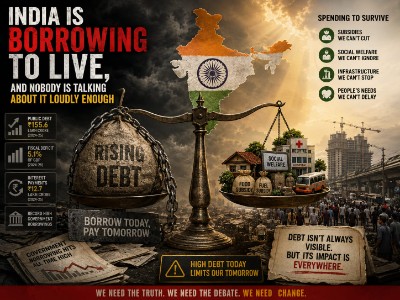
India Is Borrowing to Live, and Nobody Is Talking About It Loudly Enough
India's economy is growing at 7.4 percent, but its households are borrowing to keep up, here's the debt story hiding behind the headline numbers.